The DenkWeg is an interactive hiking track along the Czech-Austrian border about the history of the Iron Curtain. It was commissioned by the association DenkStein Eiserner Vorhang and consists of ten stations covering the shared history of Upper Austria and South Bohemia during the time of the Iron Curtain. An accompanying app offers interactive content for each station, including videos, point-and-click sections, and a quiz.

It was an extensive project. My responsibilities included:
- Creating the overall concept for the hiking track
- Designing the information boards
- Writing texts and sourcing images
- Coding the app
- Creating content for the app
Concept
Developing the concept required extensive research. The foundation for the historical content was a book previously published by the association, which contained testimonies from people in the area. Additionally, I watched documentaries, read publications and pestered every history student I knew.
During the project, I visited Budweis several times to meet up with the people from Post Bellum, a partner association of this project. One piece of feedback from Post Bellum that I’m particularly grateful for was the suggestion to dedicate a station near the end entirely to a single individual’s story. That way, the history suddenly “has a face”.
Board Design
Designing the boards was relatively straight forward. I wanted a sober look that stayed in the background. For clear orientation, each board features a progress indicator in the top-right corner, and the first board provides an overview of the full track.

A key consideration was how the boards would be installed i.e. whether they would be mounted on a simple iron pole or a larger structure. After visiting the starting point of the DenkWeg (a memorial marking the opening of the border), I suggested using a rusted metal base to mount the signs. This gives the information boards a distinct visual identity without being distracting. Also, it blends nicely into the surrounding environment.

Key visual design elements included a rugged border line dividing sections of the board and textured “paper cards” for photos, evoking the feel of handling historical documents and scraps of history.
Texts and Images
Writing the text was tough to get right: it needed to be very short while carrying as much information as possible. I wrote an initial draft, but the final text ended up being a collaborative effort combining contributions from several people.
The historical photos came from a variety of sources, including online archives, associations, and museums. Researching these materials was fascinating, and I met many kind, helpful people along the way.
Coding the App
The app was designed to provide optional supplementary content under specific requirements:
- Work offline (due to unreliable internet on-site)
- Scan QR codes
- Run on both iOS and Android
- support three languages
Having never coded a full app before, I was initially anxious. I considered building a Progressive Web App, but decided against it due to concerns about offline reliability and overall polish.
A friend recommended the Ionic framework, which bundles web apps into native packages for iOS and Android using Capacitor. I chose Ionic with React—another technology new to me, but one I found very accessible.
I started by designing screens in Figma, and the coding process turned out to be genuinely enjoyable. Since it had been a while since I last coded, I loved getting back into it.

I initially avoided AI tools altogether, setting up the architecture and core screens by hand. As the project progressed, I incorporated AI primarily for debugging. The only major feature built largely by AI was the logic for the end-of-station quiz.
App Content
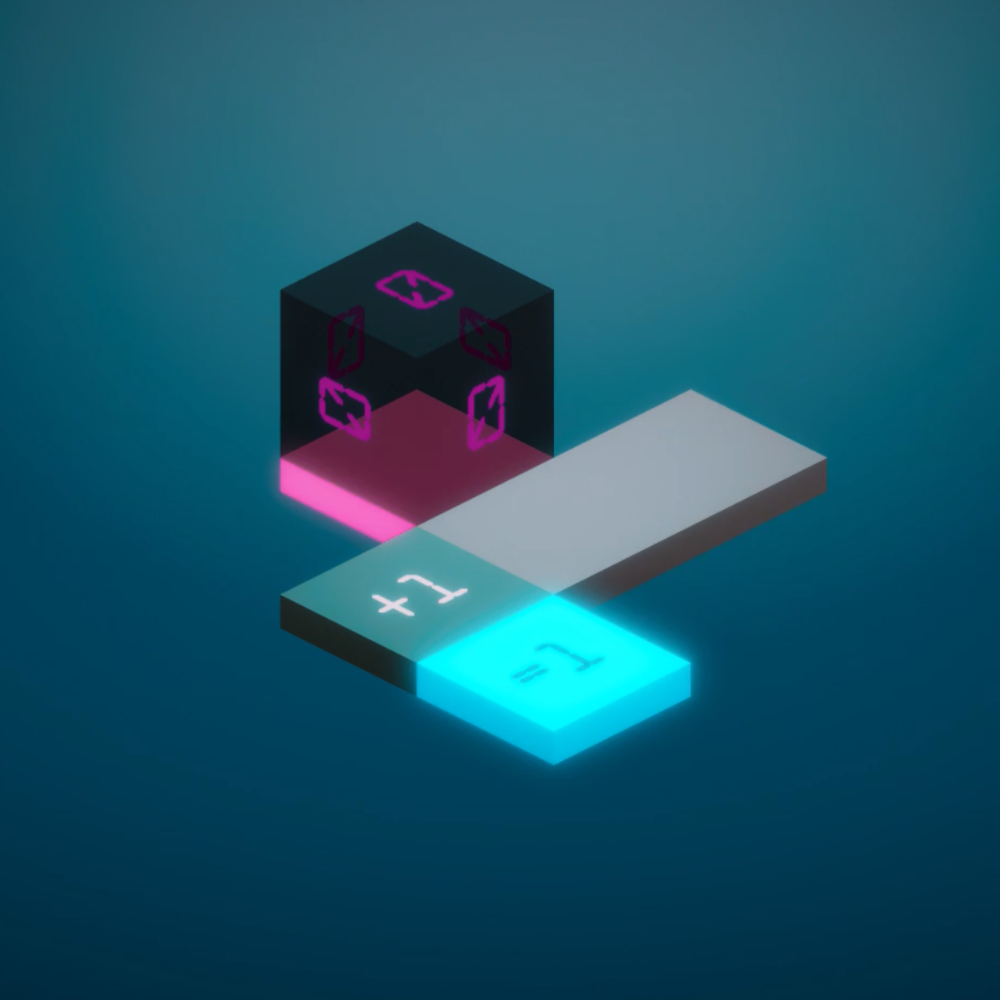
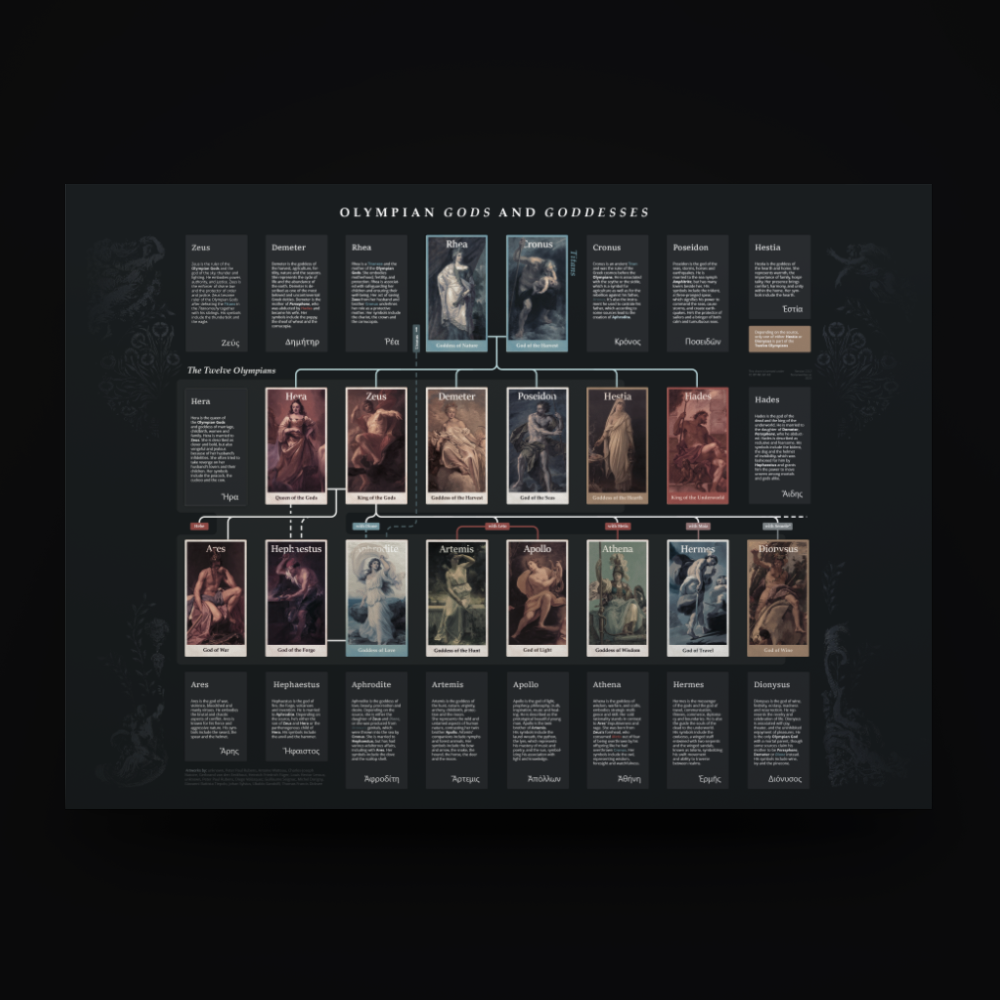
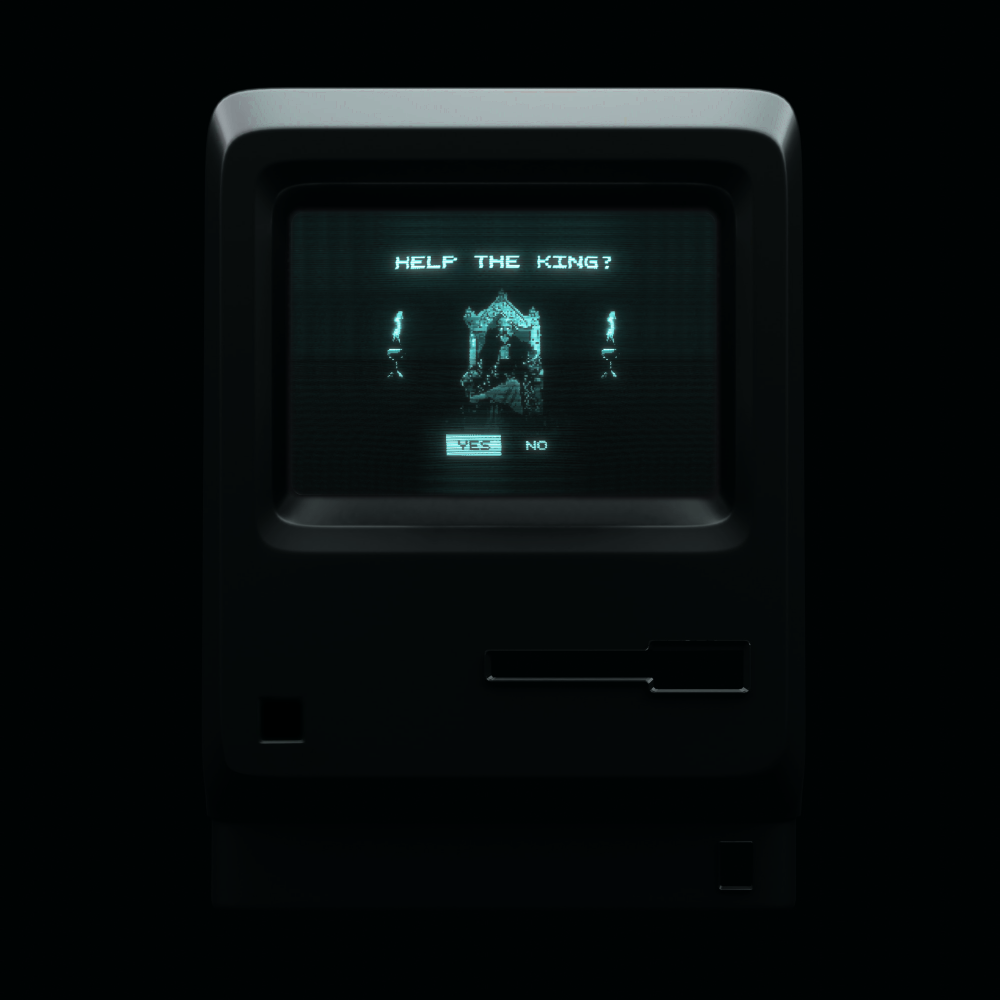
To make specific stations stand out, I designed a simple point-and-click system featuring painted dioramas with objects relevant to each topic. Clicking an object reveals a brief text snippet explaining its connection to the station. Maintaining a respectful, tactful tone was essential—I didn’t want to turn this into a game. The final solution strikes a good balance: the interactive elements spark curiosity while keeping the historical information center stage.
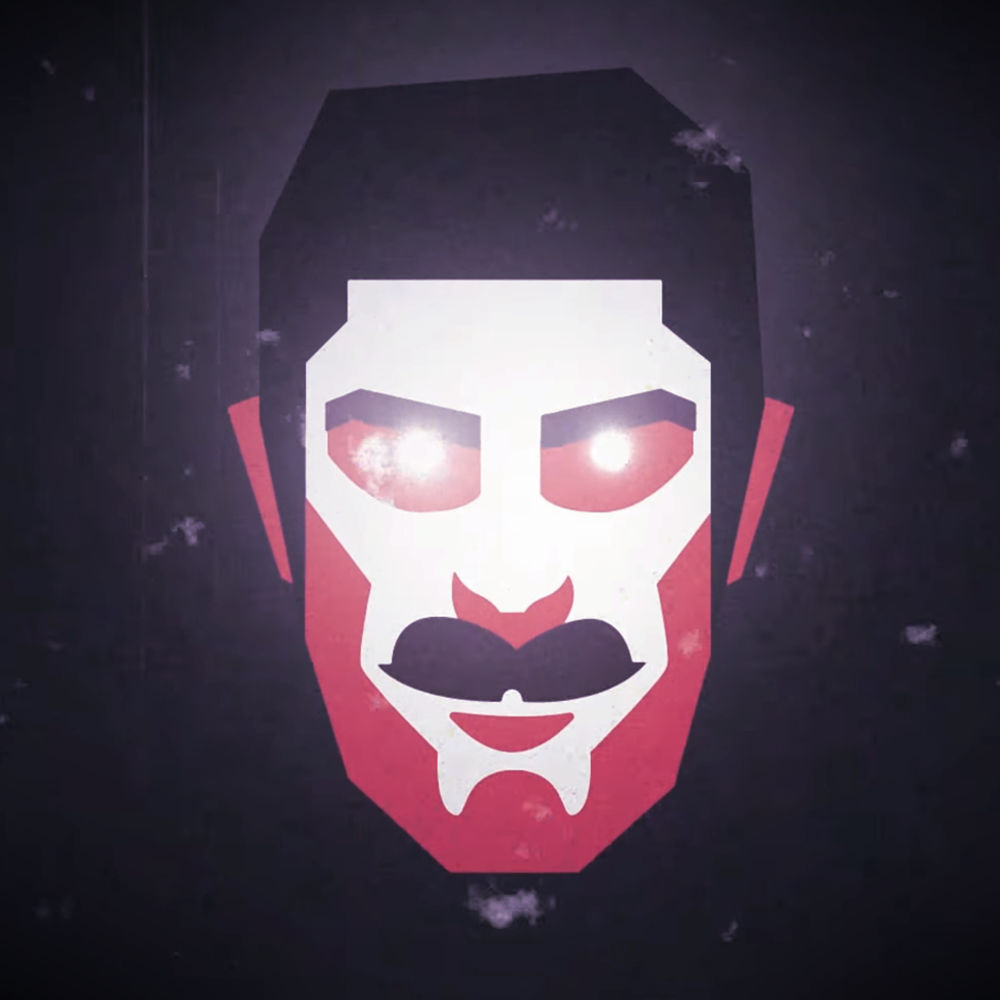
I also had the honor of interviewing former Vice-President of the Czech National Council Jiří Vlach about his time in the Civic Forum.
You can see a short demo of the app in this video.
Note that the video is a bit outdated and does not show the final version of the app. You can download the app for iOS and Android.
The DenkWeg was officially opened in Juli 2026.
The about
DenkWeg
DenkStein Eiserner Vorhang, Post Bellum, Florian Winkler
Technologies used:
Ionic, React, Claude Haiku
Software used:
Affinity, Inkscape, Figma, Construct 3, Da Vinci Resolve, HandBrake
Completed 2026